Introduction
If you want to feel the calmness of a Buddhist sadhu, right in the heart of Mumbai — visit the Kanheri Caves.
Imagine stepping away from the honking traffic, the crowded local trains, and the endless rush of Mumbai life — and within just a short drive, finding yourself standing before ancient caves that have been silent for over two thousand years. That is the magic of Kanheri.
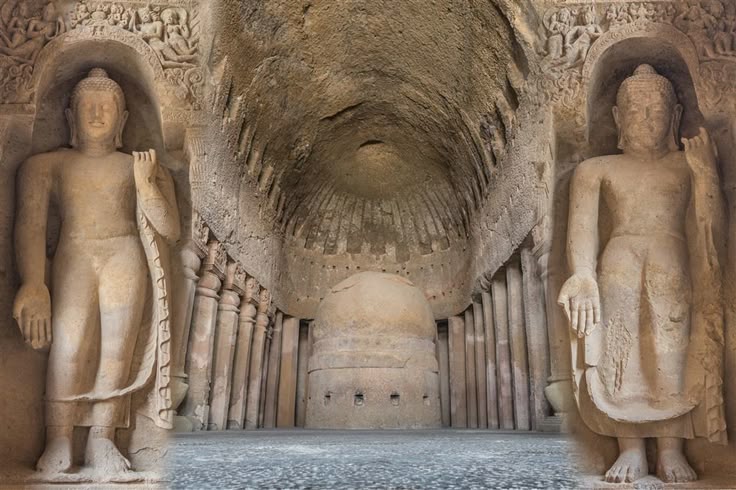
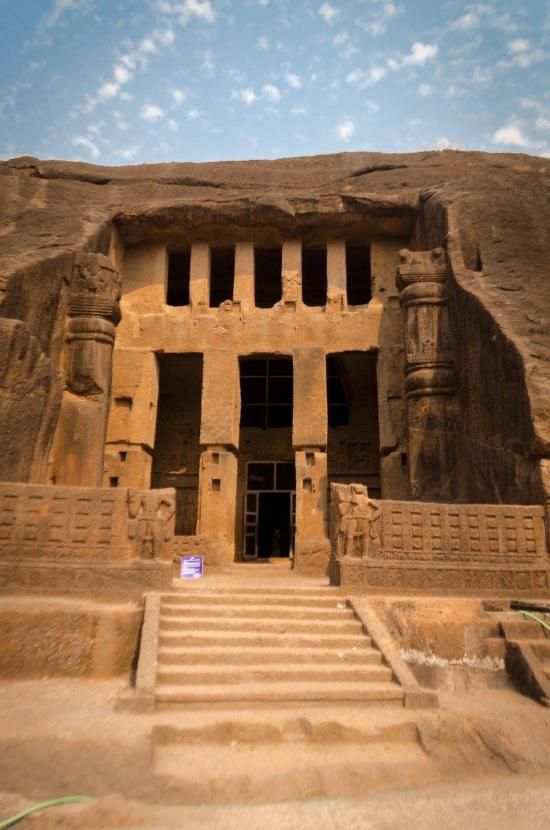
Tucked inside the green lungs of Sanjay Gandhi National Park, these 109 caves were patiently carved by Buddhist monks, not with machines, but with bare hands and iron chisels, straight into the heart of a black basalt hill. The hill itself was once called Krishnagiri — the Black Mountain — and today it still holds within it the whispers of monks who meditated, studied, and prayed here centuries ago.
Walk through the pillared corridors, run your fingers along the stone walls, and you will feel it — a stillness that the city outside has long forgotten. These caves were not just places of worship. They were homes, classrooms, and sanctuaries. Young monks sat here learning the teachings of the Buddha. Travelers and traders passing through ancient trade routes stopped here to rest and reflect.
What makes Kanheri truly special is not just its age or its art — it is the feeling it gives you. In a city that never sleeps, Kanheri is a place that has been peacefully resting for over a millennium, waiting for you to come and breathe.
History
The Kanheri Caves are one of the oldest and most important Buddhist cave complexes in India, located inside Sanjay Gandhi National Park in Mumbai. The name “Kanheri” comes from the Sanskrit word Krishnagiri, meaning “Black Mountain,” referring to the dark basalt rock in which the caves were carved.
The caves were built gradually between the 1st century AD and the 11th century AD by Buddhist monks. Over time, the site grew into a major center of Buddhist learning, meditation, and worship. What started as a few simple rock-cut shelters eventually expanded into a massive complex of 109 caves containing monasteries, prayer halls, classrooms, water cisterns, and meditation chambers.
Kanheri became important because of its location near ancient trade routes and port towns such as Sopara, Kalyan, Thane, and Bassein. Merchants, travelers, and rulers often visited the caves and donated money to support the monks and their activities. Powerful dynasties like the Satavahanas, Vakatakas, Traikutakas, and Silaharas also helped the caves flourish.
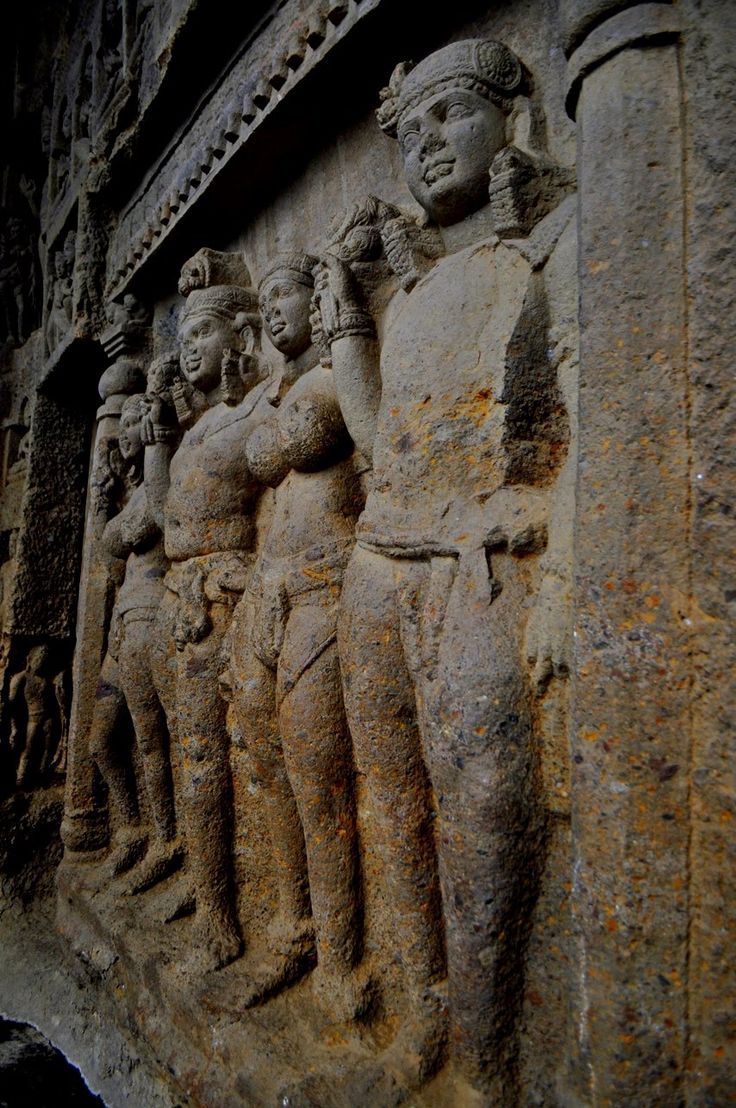
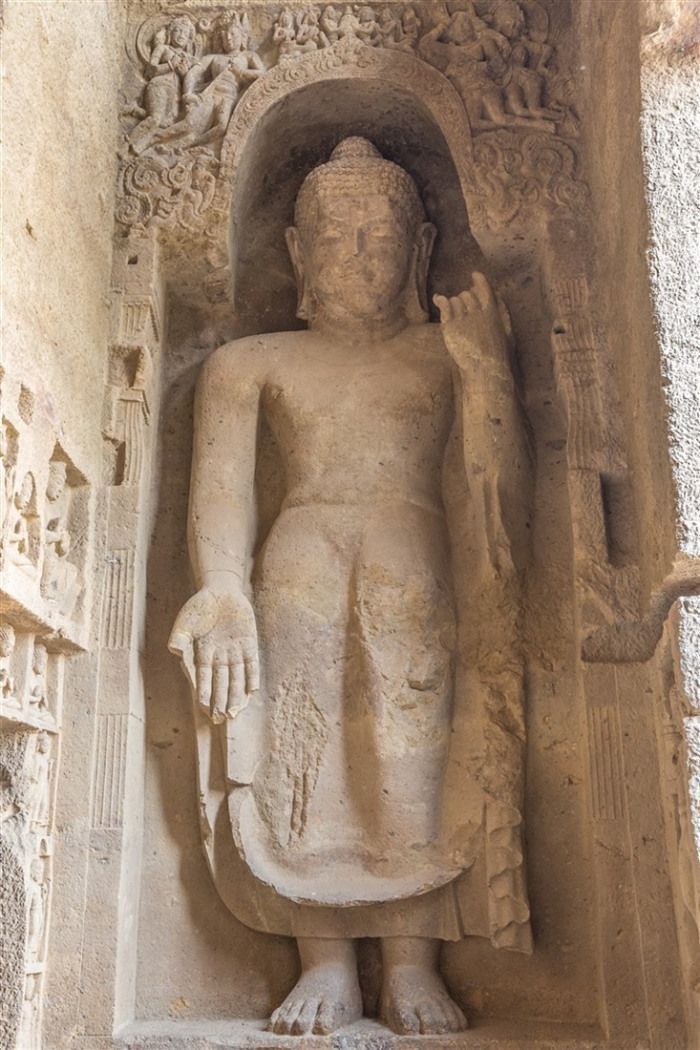
The monks living here created an advanced and self-sufficient community. They carved rainwater harvesting systems into the rock, built large Chaitya prayer halls for gatherings, and decorated the caves with sculptures and inscriptions. The caves also became known internationally, attracting travelers like the Chinese Buddhist monk Fa-Hien.
However, by the 11th century, Buddhism slowly declined in Maharashtra, and the caves were eventually abandoned. For centuries, the forest covered much of the site, leaving Kanheri forgotten and silent.
Today, Kanheri Caves stand as a remarkable symbol of ancient Indian engineering, Buddhist culture, and spiritual heritage — offering visitors a peaceful journey into Mumbai’s forgotten past.
Climate & Weather
Kanheri Caves experience a tropical climate, with warm and humid weather throughout most of the year. Because the caves are located inside the forested region of Sanjay Gandhi National Park, the atmosphere feels cooler and more refreshing compared to the busy parts of Mumbai.
Summer Season
Summers at Kanheri are generally warm and humid, especially between March and May. However, the surrounding greenery and shaded cave interiors make the visit more comfortable than other parts of the city. Early mornings and evenings are considered the best time to explore during summer.
Monsoon Season
The monsoon season, from June to September, is considered the most beautiful time to visit Kanheri Caves. Heavy rainfall transforms the region into a lush green landscape filled with waterfalls, misty trails, flowing streams, and cool weather. The caves look especially scenic during this period.
Winter Season
Winters, between November and February, are mild and pleasant. The weather remains cool, dry, and comfortable for sightseeing, trekking, and photography, making it one of the best seasons to visit the caves.
Overall, Kanheri Caves offer a peaceful natural environment throughout the year, with the monsoon and winter seasons being the most popular among visitors.
Transportation
Please select a transportation mode to view details
Facilities
Kanheri Caves offer basic visitor facilities to make the experience comfortable and convenient for tourists, families, and trekkers visiting the site inside Sanjay Gandhi National Park.
Parking Facility
Parking space is available near the caves for cars, bikes, and tourist vehicles. During weekends and monsoon season, the parking area can become crowded due to high visitor numbers.
Food & Drinking Water
Small food stalls and snack counters are available near the entrance and around the cave area. Visitors can usually find basic refreshments, packaged drinking water, tea, and local snacks.
Washrooms
Public washroom facilities are available for visitors inside the Kanheri Caves area and near the national park entrance.
Seating & Rest Areas
Several open spaces and shaded areas around the caves allow visitors to rest, relax, and enjoy the peaceful surroundings.
Guided Tours
Local guides are sometimes available near the caves to explain the history, architecture, and Buddhist significance of the site.
Internal Transport
Inside Sanjay Gandhi National Park, visitors can use shuttle buses, private vehicles, or walk along the scenic forest road leading to the caves.
Photography
Photography is allowed in most parts of the cave complex, making Kanheri a popular spot for history lovers, nature photographers, and travelers.
Geographical Information
Kanheri Caves are located inside Sanjay Gandhi National Park in northern Mumbai, Maharashtra, near the suburb of Borivali. Despite being inside one of the world’s busiest cities, the caves are surrounded by dense forests and peaceful natural landscapes.
The caves once stood along important ancient trade routes connecting port towns like Sopara, Kalyan, Thane, and Bassein. This location made Kanheri both accessible to travelers and ideal for Buddhist monks seeking peace and meditation.
Kanheri is carved into a large black basalt hill historically known as Krishnagiri, meaning “Black Mountain.” Rocky pathways, forest-covered hills, and natural streams surround the cave complex, creating a calm and refreshing atmosphere.
Mumbai’s tropical climate keeps the region warm and humid for most of the year. However, the thick forest cover around Kanheri makes the area feel cooler and quieter than the city outside.
During the monsoon season, Kanheri becomes especially beautiful. Waterfalls appear across the hillsides, mist covers the forest trails, and the entire landscape turns lush green, making it one of Mumbai’s most scenic historical sites.
Culture & Local Lifestyles
Kanheri Caves are more than a monument frozen in time — they are a living reflection of Mumbai's quieter, deeper soul. Step inside and you step into a world shaped by centuries of Buddhist thought, where simplicity, stillness, and community were once a way of life.
Traditions
At its heart, Kanheri is a place of Buddhist identity. For generations, monks lived here following lives of extraordinary simplicity — waking before dawn, meditating in stone chambers, studying ancient texts, and welcoming travelers with warmth and generosity. That spirit has never entirely left. Even today, without a single monk in sight, the caves carry an atmosphere that gently asks you to slow down, breathe deeply, and be present. The ancient tradition of Kanheri was never just about religion — it was about learning, hospitality, and living in harmony with the world around you. Visitors who come with open eyes will find that this spirit still lingers in every corridor and carved wall.
Festivals
Once a year, during Buddha Purnima, Kanheri quietly comes alive. Buddhist communities gather at the caves to offer prayers, light lamps, and celebrate the life and teachings of Lord Buddha — filling the ancient site with a warmth it has known for over two millennia. Beyond this, the monsoon and winter months bring their own kind of celebration. Photographers arrive chasing the mist. Trekkers come for the forest trails. Heritage lovers wander through the caves with wonder in their eyes. Each season brings a different kind of visitor, but all of them leave with the same feeling — that Kanheri gave them something the city could not.
Daily Life
The world just outside Kanheri's forest is pure Mumbai — loud, fast, and relentlessly alive. But the moment you pass through the gates of Sanjay Gandhi National Park, the city seems to exhale. Small vendors line the entrance with local snacks and cold drinks. Friendly local guides offer to walk you through centuries of history. Park staff quietly go about their work, keeping this rare green sanctuary alive and welcoming. Nearby communities take quiet pride in preserving both the cultural legacy and the natural beauty of the region. For many Mumbaikars, a Sunday at Kanheri is not just a day out — it is a ritual, a reset, and a reminder that their city holds much more than what meets the eye.
Kanheri does not just offer sightseeing. It offers something far more valuable — a genuine cultural experience where history, spirituality, nature, and the warmth of Mumbai's local life come together in one extraordinary place.
Food and Local Cuisine
Food & Local Cuisine
A visit to Kanheri Caves is never complete without stopping to eat. And in true Mumbai fashion, the food around here is just as memorable as the destination itself.
Local Flavors
Mumbai's legendary street food culture shows up in full spirit near Borivali and the gates of Sanjay Gandhi National Park. After hours of walking through ancient corridors and forest trails, nothing hits quite like a warm vada pav fresh off the griddle, a steaming cup of cutting chai, or a plate of tangy bhel puri eaten on the roadside with the city buzzing around you. Pav bhaji, misal pav, and pani puri are equally hard to resist — quick, cheap, and bursting with the bold flavours that have made Mumbai's street food famous across the country. These are not just snacks. They are a rite of passage for anyone visiting this part of the city.
Traditional Maharashtrian Cuisine
Venture a little further and you will find small local restaurants and home-style eateries serving the soul of Maharashtra on a plate. A breakfast of poha or sabudana khichdi is the perfect way to start a cave-day. Thalipeeth — a hearty multigrain flatbread served with fresh white butter — is deeply comforting and filling. For something sweeter, puran poli offers a gentle, jaggery-laced warmth that feels almost like home. Those with an appetite for bolder flavours will find spicy coastal seafood curries that carry the spirit of the Konkan coast in every bite.
Food Experience Around Kanheri
Inside the park and near the cave entrance, small refreshment stalls and counters serve tea, cold drinks, and light snacks — a welcome sight after a steep climb up stone steps. That said, if you are planning a long visit, especially during the monsoon season when trails can stretch on beautifully, it is always a good idea to carry your own water and a few light snacks. The caves are immersive, time passes quickly, and a little preparation goes a long way.
Accommodation
Kanheri Caves do not have accommodation facilities inside the cave complex or within the protected forest area of Sanjay Gandhi National Park. However, visitors can easily find a wide range of hotels, guesthouses, and budget stays in nearby areas such as Borivali, Goregaon, Malad, and Kandivali.
Budget Hotels
Travelers looking for affordable accommodation can find many budget hotels and lodges near Borivali Railway Station and around the national park area. These stays are suitable for backpackers, solo travelers, and short visits.
Mid-Range & Family Stays
Several mid-range hotels and family-friendly accommodations are available in Mumbai’s western suburbs. These hotels offer comfortable rooms, restaurants, transportation access, and convenient connectivity to Kanheri Caves.
Luxury Hotels
Visitors seeking premium stays can choose luxury hotels in areas like Goregaon, Juhu, or Bandra, which provide modern facilities, fine dining, and easy road access to the caves.
Best Areas to Stay
Borivali is considered the best area to stay for visitors planning to explore Kanheri Caves because it is the nearest major suburb and offers excellent railway, road, and local transport connectivity.
It is recommended to book accommodation in advance during weekends, holidays, and monsoon season, as Kanheri and Sanjay Gandhi National Park attract large numbers of tourists during these periods.
Budget/Cost Estimation
A trip to Kanheri Caves can be planned on almost any budget, making it a popular destination for students, families, solo travelers, and weekend explorers. The overall cost mainly depends on transportation, food, and accommodation choices.
Entry Fees
Visitors need to pay the entry fee for Sanjay Gandhi National Park along with a separate ticket for Kanheri Caves. Charges for private vehicles, parking, and cameras may also apply. Ticket prices are generally affordable for both Indian and foreign tourists.
Transportation Costs
Traveling by Mumbai local train and BEST Bus No. 188 LTD is the most budget-friendly option. Visitors using taxis or app-based cabs may spend more depending on distance and traffic conditions. Self-drive trips may include fuel charges and parking fees.
Food Expenses
Local food stalls and nearby restaurants offer affordable meals and snacks. Street food like vada pav, pav bhaji, and tea are inexpensive, while restaurants near Borivali and the national park provide options for every budget.
Accommodation Costs
Budget hotels near Borivali are available at reasonable prices, while mid-range and luxury hotels in Mumbai’s western suburbs may cost more depending on the season and facilities.
Overall, Kanheri Caves are considered an affordable travel destination where visitors can enjoy history, nature, culture, and spirituality without spending heavil
Frequently Asked Questions
Popular Activities
Video and Photo Gallery

Related Stories
Traveller Reviews
No reviews yet
Be the first to share your experience!