Introduction
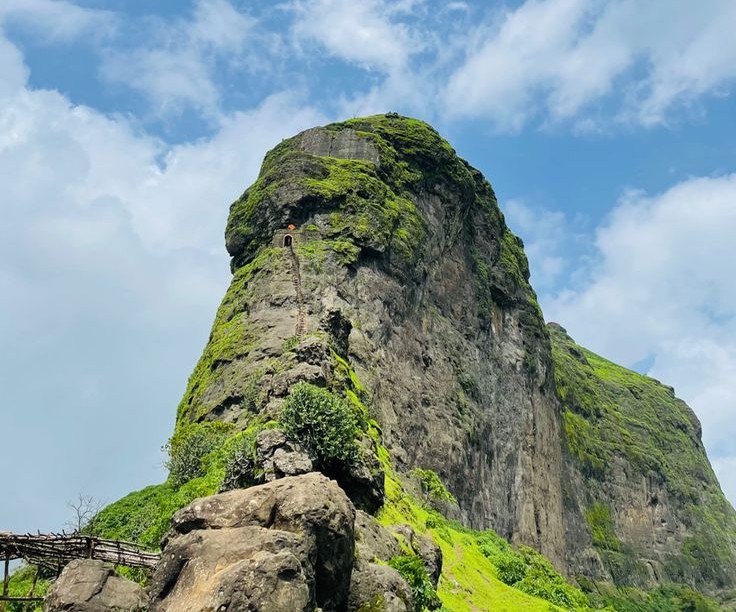
Perched dramatically within the Trimbakeshwar mountain range near Nashik, Harihar Fort—historically known as Harshagad—stands as one of Maharashtra's most awe-inspiring architectural marvels. This ancient hill fort is globally celebrated for its legendary, near-vertical rock-cut stairs that challenge adventurers to climb straight into the clouds. Striking a flawless balance between raw natural beauty and ingenious engineering, it has quickly become a viral bucket-list destination for thrill-seekers, trekkers, and history buffs alike.
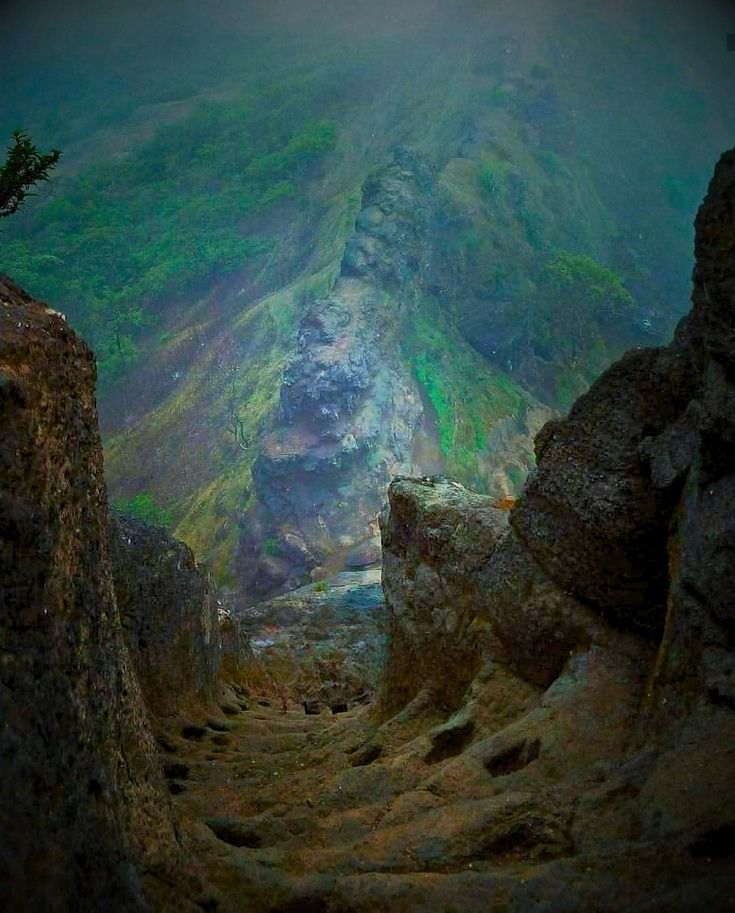
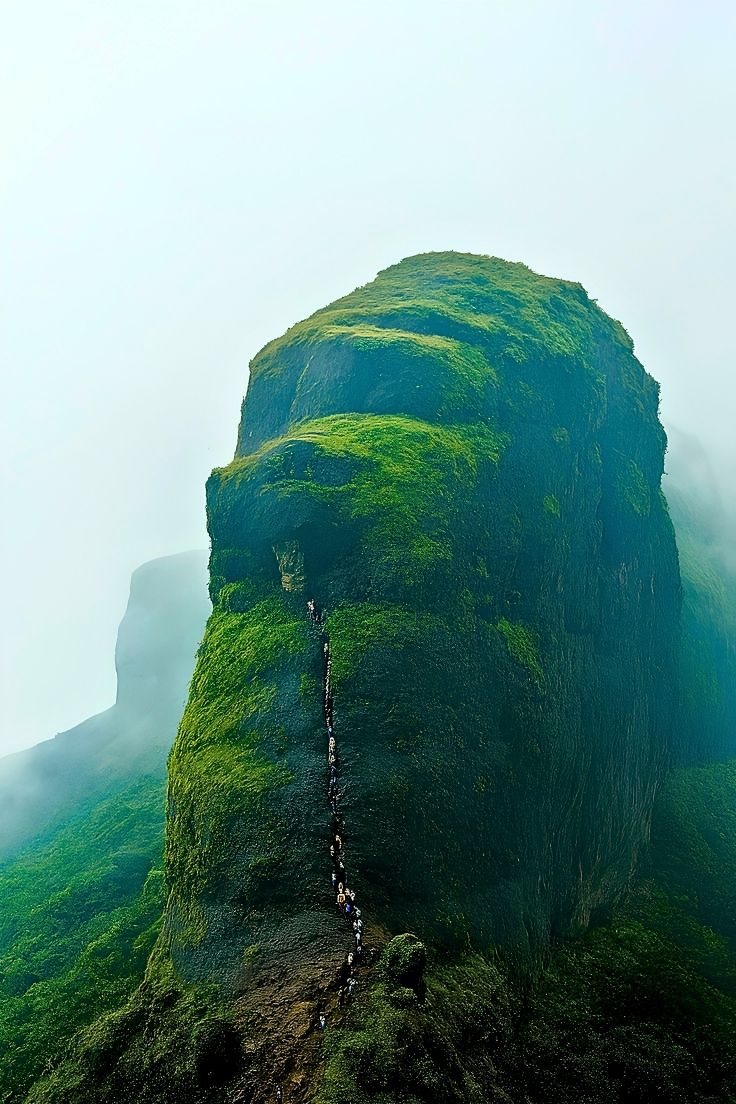
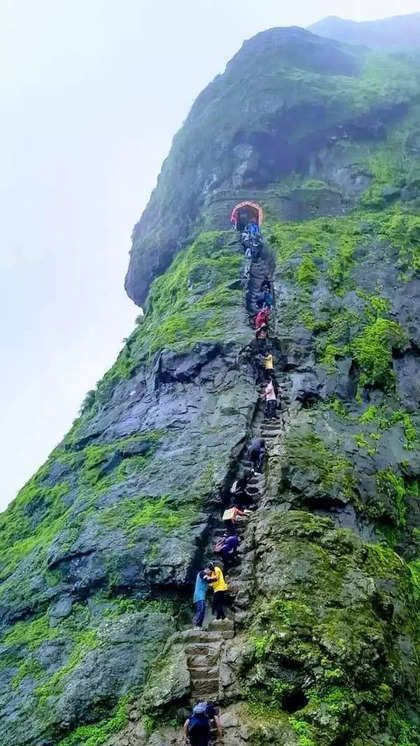
Visiting Harihar Fort is less of a standard hike and more of an unforgettable, heart-pounding journey through time. The trail winds through peaceful local hamlets like Nirgudpada before escalating into an iconic 80-degree final climb, where you will navigate chiseled steps and handholds cut directly into a massive basalt cliff face. Once you pass through the narrow, rock-carved entry tunnel, the summit rewards you with breathtaking, panoramic 360-degree views of the sprawling Sahyadris and Vaitarna Lake. It is the ultimate weekend escape for anyone craving a genuine adrenaline rush wrapped in unmatched scenic beauty.
History
Stepping onto the rugged trails of Harihar Fort is like opening a living portal to Maharashtra's legendary military past. Long before it became a viral sensation for adventure seekers, this formidable stronghold—originally known as Harshagad—served as a crucial watchtower safeguarding ancient trade routes slicing through the Sahyadris.
The fort’s origins trace back to the prosperous Seuna (Yadava) dynasty, which ruled the region between the 9th and 14th centuries. Recognizing its strategic geographical advantage, architects painstakingly chiseled the fort’s iconic vertical staircases out of a solid triangular prism of rock—a masterclass in ancient engineering designed to completely bottleneck any advancing army.
Over the centuries, its tactical brilliance made it a prized possession, causing it to change hands through turbulent power struggles. The Ahmadnagar Sultanate initially held sway here before the legendary Mughal general Shahaji Bhosale successfully captured it alongside several other Nashik strongholds in 1636. However, the Mughals couldn't retain their grip forever. The fort eventually surrendered to the British Empire in 1818 under Captain Briggs, marking the end of its active military era.
Today, the cannon fire has long faded, replaced by the excited chatter of modern explorers. Yet, as you run your fingers along the grooved handholds of the ancient steps, you can still feel the profound spirit of the warriors, sultans, and Maratha legends who once guarded these mountain peaks.
Climate & Weather
Choosing the best time to visit Harihar Fort depends entirely on the type of adventure you are craving. While this architectural wonder is accessible for most of the year, the changing seasons completely transform both the trail's safety and its visual charm.
Summer (March to May)
Summer shifts the landscape into a raw, arid phase with scorching daytime temperatures often climbing past 35°C. The rock steps absorb intense heat, making the vertical ascent physically grueling and exhausting. Unless you are an endurance hiker looking to beat the heat with a pre-dawn climb, this is generally considered the least favorable ideal season for casual travelers.
Monsoon (June to September)
The monsoon turns the Western Ghats into a breathtaking, misty wonderland shrouded in endless shades of emerald green. This is undeniably the most visually spectacular time for monsoon travel, but it comes with challenges. Heavy downpours create rushing water streams right down the iconic steps, causing slippery moss buildup. Due to extreme weekend popularity, local authorities frequently restrict access during heavy surges to prevent overcrowding, making weekdays the only smart time to attempt a rainy-day climb.
Winter (October to February)
For the ultimate combination of comfort, safety, and crisp mountain air, winter is the peak tourist season for Harihar Fort. The weather in Nashik drops to a cool, pleasant breeze, keeping the stone steps completely dry and secure. Clear blue skies replace the heavy fog, rewarding you with flawless, uninterrupted panoramic views of Vaitarna Lake and the surrounding valley—making it absolute perfection for photography and smooth hiking.
Transportation
Please select a transportation mode to view details
Facilities
Trekking up Harihar Fort is a raw, authentic adventure into the heart of the Sahyadris, but planning ahead is key since the mountain top itself is a secluded historical ruin with zero commercial development. Here is exactly what you will find on the ground to make your journey comfortable and hassle-free.
Food & Water Options
The base village of Nirgudpada is your main hub for sustenance. Local villagers run small, rustic food stalls and dhaba-style setups offering authentic, piping-hot Maharashtrian meals like Pithla Bhakri, Kanda Bhajji, and maggi. You can also purchase packaged drinking water bottles and local lemon juice here to fuel your climb. Once you leave the base, there are no shops or stalls along the trail or on the upper plateau, so it is highly recommended to carry at least 2 to 3 liters of water with you.
Parking & Restrooms
If you are driving down on a weekend road trip, Nirgudpada provides dedicated, designated parking zones managed by the local village committee. The village features basic, clean public washrooms near the starting point of the trail. However, be aware that there are absolutely no toilet facilities available on the fort or during the 3-hour climb.
Accommodation & Guides
While overnight camping on top of the fort is strictly prohibited by the local forest department, you can easily experience authentic rural hospitality by staying in local village homestays at the base. For a nominal fee, you can also hire experienced local guides from the village to accompany you. They don't just ensure your safety on those famous 80-degree rock steps; they also enrich your journey with incredible local lore and historical anecdotes.
Geographical Information
Harihar Fort is beautifully anchored in the Western Ghats of Maharashtra, tucked away in the Trimbakeshwar mountain range within the Nashik district. Situated roughly 40 km from Nashik city and near the sacred town of Trimbakeshwar, this historical fortress sits at a majestic elevation of 3,676 feet (1,120 meters) above sea level. Its unique regional placement grants it views of neighboring landmarks, positioning it as a prominent lookout peak over the historical trade routes connecting the Konkan plains to the Deccan plateau.
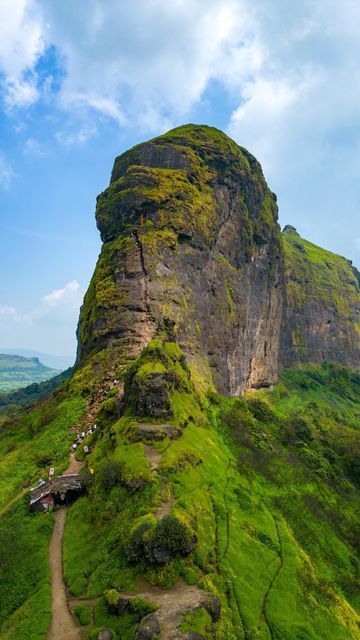
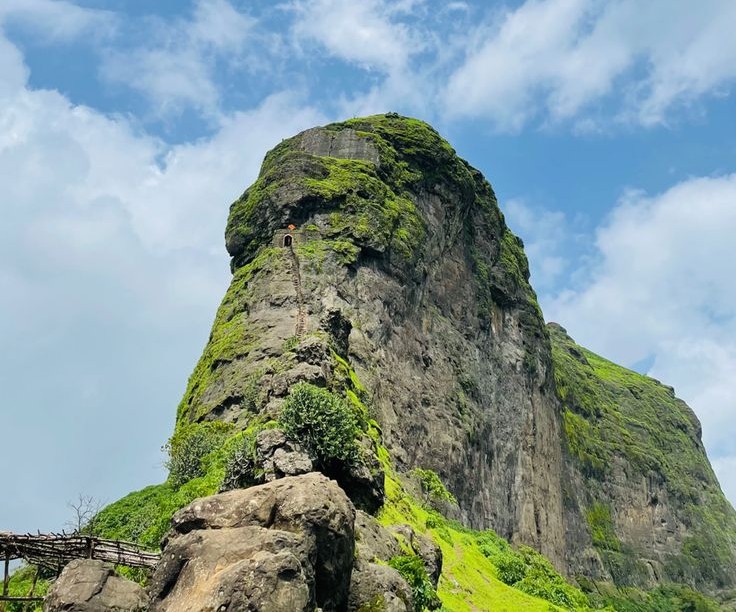
The landscape defining Harihar Fort is nothing short of dramatic, characterized by a distinct triangular prism shape with near-vertical basalt rock cliffs plunging into the valleys below. The surrounding terrain alternates between lush, dense forests at the base—part of the local sanctuary networks—and flat, sprawling high-altitude plateaus at the summit. Culturally wrapped in a tropical monsoon climate region, the fort experiences warm, arid summers and crisp, clear winters. However, it is during the rainy season that its natural characteristics truly shine, as heavy downpours mask the rugged Sahyadri terrain under a rolling blanket of thick monsoon fog and endless cascading waterfalls.
Culture & Local Lifestyles
Trekking up Harihar Fort isn’t just an exploration of physical heights; it is an immersive window into the vibrant cultural tapestry of rural Maharashtra. The base hamlets like Nirgudpada are home to resilient, warm-hearted tribal and agrarian communities whose identity remains deeply intertwined with the sacred rhythm of the Sahyadri mountains. Exploring here allows travelers to replace standard sightseeing with genuinely authentic cultural experiences.
Traditions
The bedrock of the local culture centers around a profound, generational reverence for nature and ancestral history. The villagers act as natural custodians of the fort, preserving local folklore, historical anecdotes, and ancient pathways. Hospitable and eager to connect, local families frequently welcome weary backpackers into their traditional mud-and-brick homes, sharing refreshing glasses of local lemon juice or a smoke-infused cup of tea. Their traditions dictate a communal lifestyle where mutual support defines daily survival against harsh wilderness conditions.
Festivals
Life in the foothills bursts into vivid color during major festivals. While traditional Maharashtrian celebrations like Ganesh Utsav and Diwali are celebrated with immense community pride, it is Mahashivratri that holds a deeply unique significance due to the fort's proximity to the holy town of Trimbakeshwar. During this time, special rituals and community feasts are organized. Additionally, post-harvest monsoon festivals see the villages come alive with traditional tribal dances, folk music, and offerings dedicated to local forest deities to ensure prosperity and safety across the mountains.
Daily Life
The local lifestyle is beautifully simple, slow-paced, and strictly dictated by the seasons. Agriculture forms the core of daily survival, with families working in sweeping paddy fields that wrap around the mountain's base during the monsoons. When the farming season transitions into the dry winter months, sustainable eco-tourism steps in. Running small food stalls (dhabas), managing designated parking setups, and working as certified trail guides allow the youth to showcase their mountain heritage while generating essential livelihood, bridging centuries-old rural living with modern travel exploration.
Food and Local Cuisine
Trekking up to the majestic heights of Harshagad is bound to work up a massive appetite. Fortunately, the culinary journey here is just as memorable as the climb itself. The food surrounding the fort offers an authentic taste of rustic North Maharashtra, where simple ingredients are transformed into deeply satisfying, comforting meals. Embracing the culinary habits of the region is one of the best ways to immerse yourself in the local food scene while refueling your body.
Famous Dishes
The heart and soul of the region's traditional cuisine lie in its simple, smoke-infused farm food. The undisputed star of the show is Pithla Bhakri—a thick, savory gram-flour curry served alongside rustic, fire-baked millet or sorghum flatbreads. It is traditionally paired with Thecha, a fiery, coarse chutney made from crushed green chilies and garlic that packs a serious punch. For a complete experience, local homestays also serve Bharli Vangi (stuffed eggplants) cooked in a rich, spicy coconut and peanut gravy, representing some of the absolute best food in Nashik’s rural pockets.
Street Food
As you navigate the bustling markets of nearby Trimbakeshwar or the trailheads, you will encounter classic Maharashtrian street food engineered to give you a quick energy boost. Crispy, golden Kanda Bhajji (onion fritters) fried to order are a staple, especially when a sudden monsoon mist rolls in. You will also find stalls serving steaming plates of spicy Misal Pav topped with crunchy farsan, and simple yet comforting bowls of hot Maggi customized with local spices—perfectly complemented by a cup of hot ginger cutting chai.
Restaurants/Cafes
Because the fort sits in a secluded mountain zone, you won't find commercial cafes or fine-dining restaurants along the trail. Instead, the base village of Nirgudpada functions as an open-air food court where enterprising villagers run small, rustic dhabas and open-front eateries. These family-run setups serve unlimited, freshly cooked Maharashtrian thalis at incredibly nominal prices. For a broader range of established restaurants or traditional multi-cuisine dining options, hikers usually make a quick 20-minute drive down to the holy town of Trimbakeshwar after finishing their descent.
Accommodation
Finding the best accommodation near Harihar Fort depends heavily on the type of travel experience you want to unlock. Because the fort itself rests in a protected, secluded mountain zone where overnight camping is strictly prohibited, your lodging choices will range from rustic village stays at the immediate trailhead to high-end retreats in nearby cities.
Homestays
For backpackers and experiential travelers seeking unparalleled location convenience, local homestays in the primary base village of Nirgudpada offer an incredible option. Staying with village families allows you to get an early start on those vertical rock steps while immersing yourself in authentic rural culture. These accommodations provide clean, basic rooms, shared facilities, and fire-cooked traditional Maharashtrian meals at very nominal rates.
Budget Hotels
If you prefer standard modern amenities without breaking the bank, look for budget stay options and pocket-friendly hotels in Trimbakeshwar, situated a convenient 20-minute drive from the trail. This holy town serves as an excellent logistical base, offering clean private rooms, hot water, Wi-Fi, and easy access to local transport networks.
Mid-range Hotels
For family road-trippers and creators who want an optimal balance of comfort and accessibility, the city of Nashik (about 40 to 48 km away) features excellent mid-range business and boutique hotels. These properties offer spacious air-conditioned rooms, on-site restaurants, and private secure parking, giving you a relaxing space to recharge after a grueling 3-hour mountain climb.
Luxury Resorts
If you want to blend your rugged trekking weekend with fine dining and premium wellness, the wider Nashik and Igatpuri regions are famous for world-class vineyard properties and luxury resorts. Tucked against the backdrop of rolling hills and serene lakes, these high-end retreats offer private villas, infinity pools, and spa therapies—perfect for a luxurious wind-down after tackling one of the Sahyadris' toughest climbs.
Budget/Cost Estimation
Transportation Expenses
- Budget Option (Solo/Backpacker): Costs approximately ₹150 – ₹300. This includes using local state transport (MSRTC) buses and shared jeeps departing from Nashik or Trimbakeshwar to reach the base village.
- Mid-Range Option (Family/Group): Costs approximately ₹1,500 – ₹3,500. This covers fuel expenses for private vehicles or hiring a dedicated local taxi for the journey.
Food & Dining Costs
- Budget Option (Solo/Backpacker): Costs approximately ₹150 – ₹300. This covers authentic, local Maharashtrian meals like Pithla Bhakri at small village dhabas around the base area.
- Mid-Range Option (Family/Group): Costs approximately ₹500 – ₹1,200. This covers dining out at more established, multi-cuisine restaurants located in the nearby holy town of Trimbakeshwar.
Accommodation Charges
- Budget Option (Solo/Backpacker): Costs approximately ₹400 – ₹800. This includes staying at authentic local village homestays situated right at the trail base, offering clean, basic amenities.
- Mid-Range Option (Family/Group): Costs approximately ₹2,000 – ₹5,000. This option involves booking standard private rooms in cozy mid-range hotels in Trimbakeshwar or staying at nearby vineyard properties around Nashik.
Activity & Permit Fees
- Budget Option (Solo/Backpacker): Costs approximately ₹0 – ₹100. This applies to self-guided exploration, covering minor local vehicle parking charges or community-managed environmental tolls.
- Mid-Range Option (Family/Group): Costs approximately ₹1,200 – ₹1,600. This entails booking a fully organized, all-inclusive weekend group package through a professional trekking agency.
Budget Pro-Tips
- Keep Hard Cash Ready: Cellular network connectivity drops dramatically around the rugged Sahyadri mountains. It is highly advised to carry physical cash to settle village-level transactions smoothly, as digital UPI payments may fail.
- Opt for Weekday Treks: Planning your trip on a weekday helps bypass massive weekend crowd surges. This also gives you better leverage to negotiate lower rates for local transport and base homestay facilities.
Frequently Asked Questions
Popular Activities
Video and Photo Gallery
Related Stories
Traveller Reviews
No reviews yet
Be the first to share your experience!