Introduction
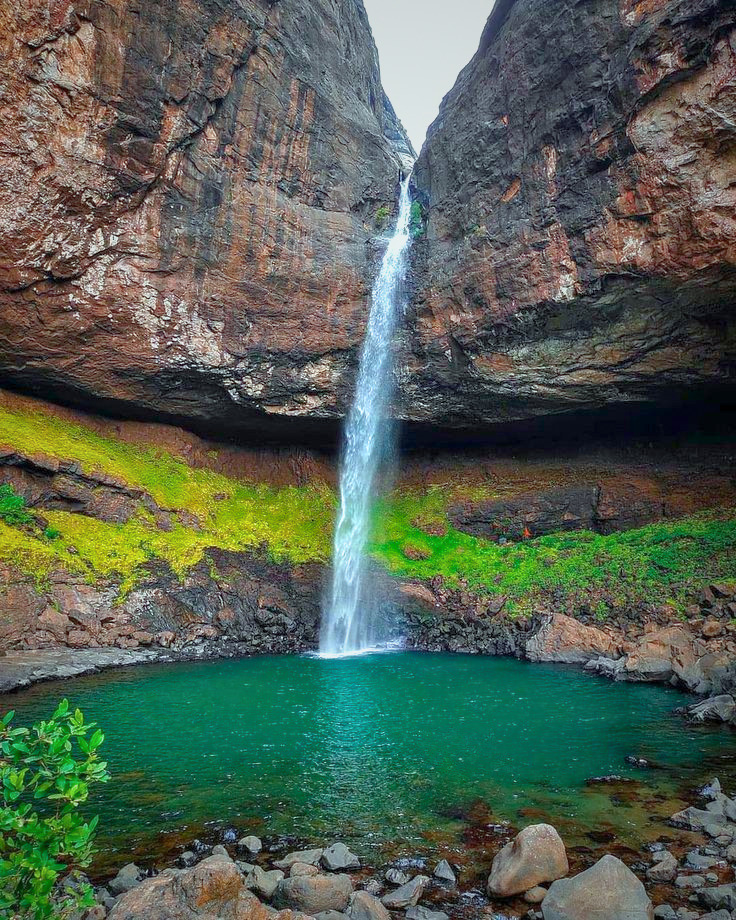
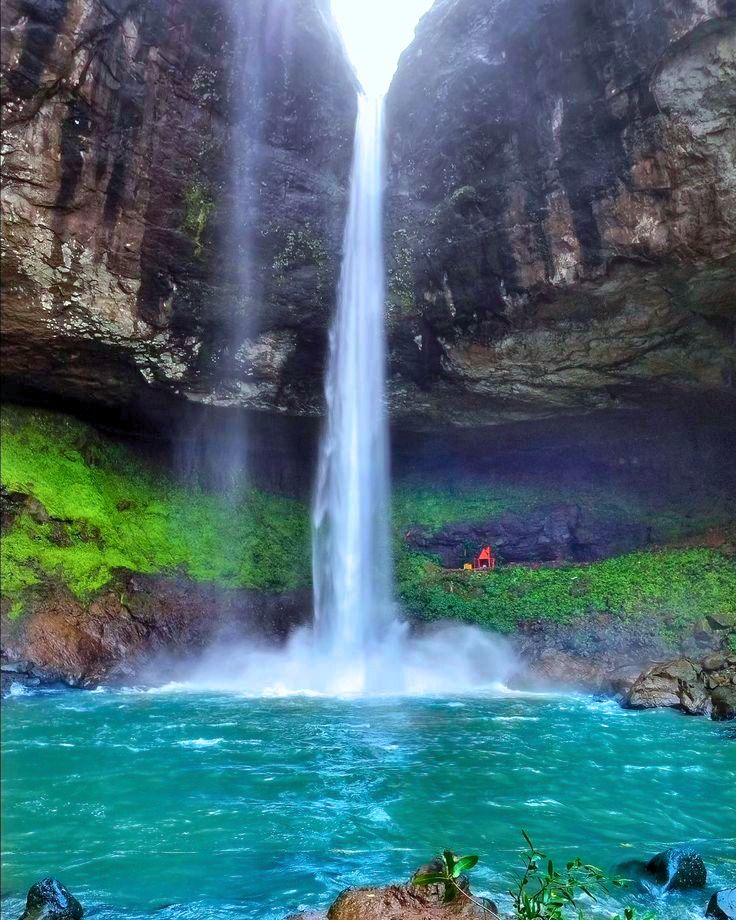
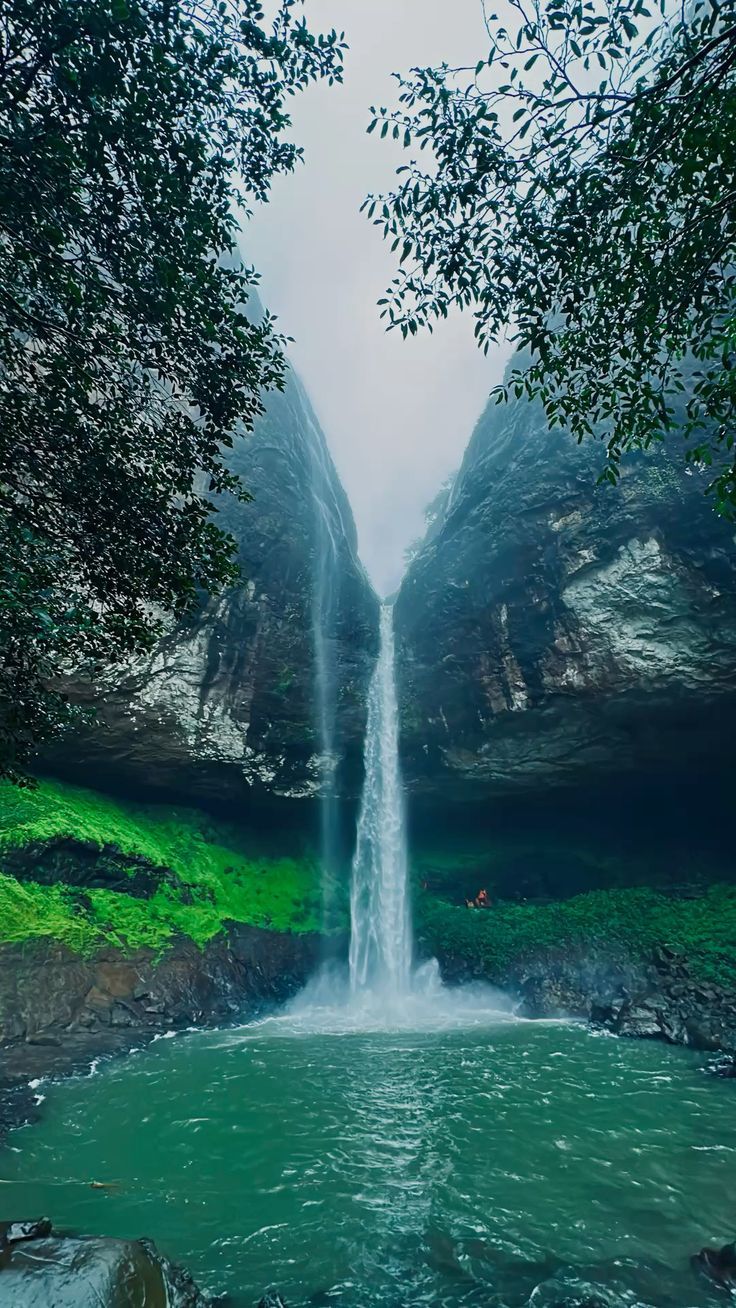
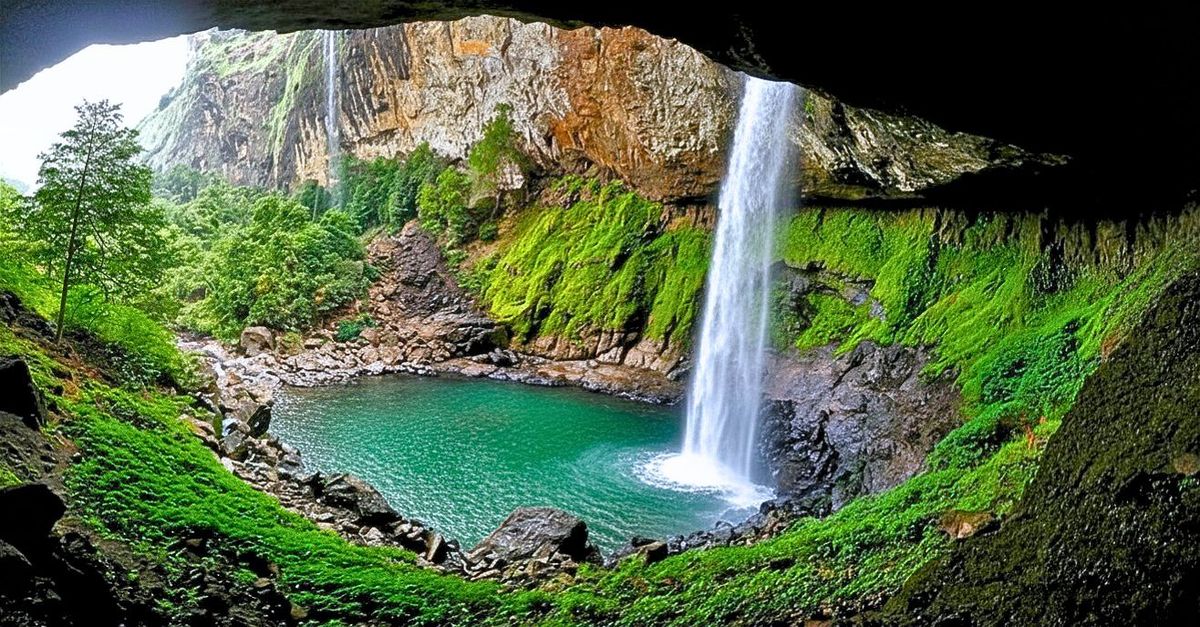
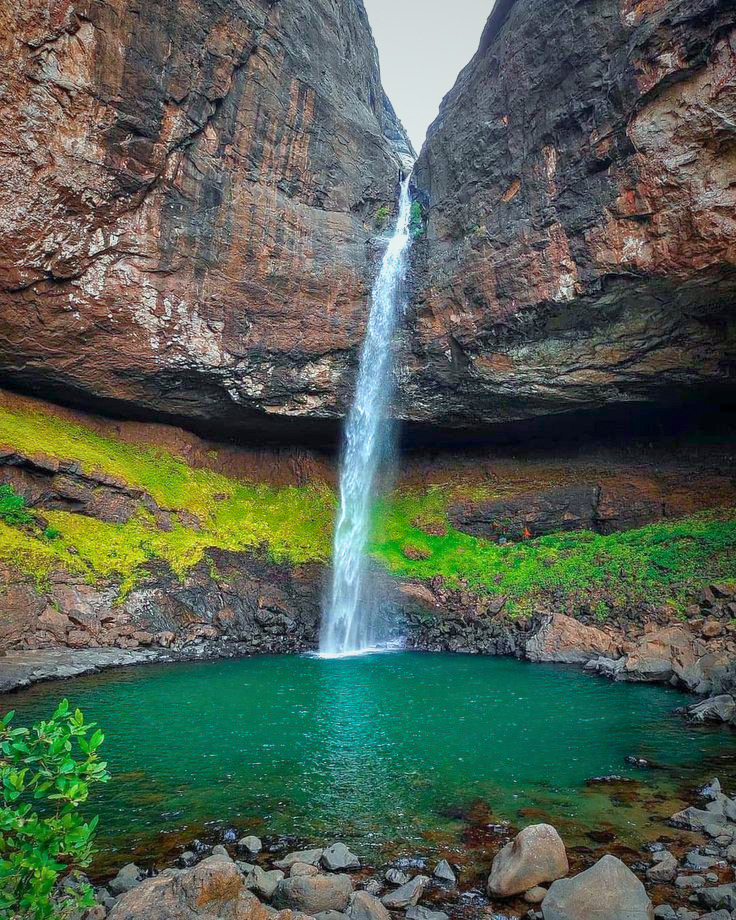
Devkund Waterfall is a breathtaking, hidden plunge pool nestled deep within the dense forests of Bhira, near Patnus in the Raigad district of Maharashtra. This spectacular natural wonder is famous as the confluence of three mountain rivers, where crystalline water drops from a sheer cliff height of nearly 150 feet into a stunning, translucent turquoise pool. It has rapidly earned legendary status among trekking enthusiasts and nature lovers as one of India's most pristine, picture-perfect forest falls.
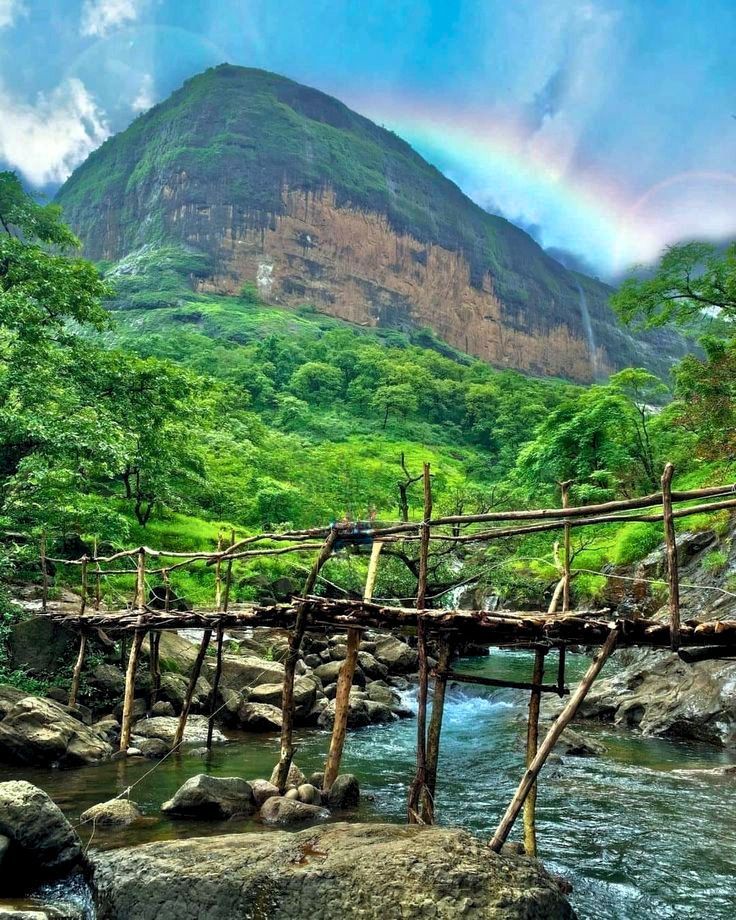
Visiting Devkund is an immersive, high-energy adventure that blends a thrilling jungle trek with ultimate natural serenity. The journey takes you through lush green paths, across rushing river streams, and past wide open meadows, culminating in the awe-inspiring sight of the roaring plunge pool hidden inside a rocky amphitheater. It offers an incredible raw wilderness experience, making it the perfect destination if you want to challenge yourself with a scenic trek and witness untouched natural beauty at its absolute finest.
History
While Devkund Waterfall feels like a newly discovered viral sensation on social media, its roots are deeply anchored in ancient local folklore and centuries-old tribal reverence. The very name Devkund translates beautifully to "The Bathing Pond of the Gods," a title reflecting the deep spiritual connection the local people have held with this hidden sanctuary for generations.
According to local legends passed down by the indigenous communities of the Sahyadri hills, this secluded crimson-rock bowl was considered highly sacred territory. It was widely believed that celestial beings and ancient sages would descend from the heavens to bathe in its pristine, untouched turquoise waters. Because of its remote, nearly inaccessible location deep within the dense forests of Tamhini Ghat, the area remained a well-kept secret, shielded from the outside world and preserved as a sacred grove for centuries.
In its more recent history, Devkund transitioned from a mythical local secret into a legendary trekking landmark. As intrepid hikers began exploring the rugged terrain surrounding the Bhira dam and the Kundalika River's source, they rediscovered this 150-foot plunging marvel. Today, the local villagers expertly balance their ancestral role as protectors of this sacred site with guiding modern adventurers, ensuring that while the world comes to marvel at its raw beauty, the timeless, mystical soul of the "Pond of the Gods" remains completely intact.
Climate & Weather
Timing your trek perfectly is the secret to unlocking the true magic of this hidden plunge pool. Because the trail requires crossing active river streams deep within the jungle, the weather in Devkund Waterfall completely dictates both the beauty of the falls and the safety of your journey.
Summer (March to May)
Summer brings dry conditions and high temperatures to the Sahyadri region. During this period, the vibrant turquoise pool shrinks significantly, and the 150-foot stream often dries up to a faint trickle. Due to the intense heat and lack of water, it is generally considered a bad travel period for anyone looking to experience the waterfall's iconic roaring character.
Monsoon (June to September)
The monsoon transforms the jungle into an emerald wonderland, making it a highly dramatic tourist season. While the waterfall is at its most powerful and spectacular, heavy downpours can make the rushing river crossings on the trail highly unpredictable and dangerous. If you plan a rainy-day trek, it is essential to check local administrative advisories, as authorities occasionally pause trail access during periods of extreme rainfall for safety.
Winter (October to February)
For the ultimate trekking experience, mid-October to early February is the undisputed best time to visit. Right after the heavy rains retreat, the water retains its magnificent, translucent turquoise hue while the river levels drop to a safe, manageable depth. This window offers the ideal season for crisp, comfortable monsoon/winter travel, allowing you to navigate the jungle comfortably and enjoy the pool at its scenic peak.
Transportation
Please select a transportation mode to view details
Facilities
Because Devkund Waterfall is safely hidden deep within the protected forests of Tamhini Ghat, the on-ground facilities are strategically concentrated at the base village of Bhira. The infrastructure beautifully balances essential hiker support with an absolute commitment to preserving the raw, untouched soul of the jungle.
Here is the breakdown of what to expect to ensure your jungle trek remains effortless and highly secure:
- Organized Parking Grid: The base village features a well-marked, spacious paid parking zone. Leaving your car or scooter here gives you total peace of mind before you leave the grid and dive into the forest trail.
- Mandatory Local Guide System: Safety is highly prioritized here. The local forest department strictly enforces a mandatory guide policy. Expert village guides equipped with river crossing ropes and unparalleled insider knowledge will accompany you to seamlessly navigate the dense trails.
- Rustic Food Stalls & Rest Stops: At the base, multi generational family kitchens serve up incredible, unlimited Maharashtrian breakfast and lunch spreads (featuring rustic pithla bhakri or hot local thalis). Along the first flat 2 km of the trail, minimal pop-up stalls offer quick energy boosts like lemonade, snacks, and bottled water.
- Hygienic Changing Rooms: Jumping into the translucent turquoise pool is the ultimate highlight of the trek. To support your return, local villagers run dedicated, clean washrooms and changing blocks at the base so you can swap your wet trekking gear for fresh clothes comfortably.
Geographical Information
Devkund Waterfall is a magnificent natural sanctuary tucked away in the lush wild terrain of Bhira, a peaceful hamlet situated in the Mangaon taluka of Raigad district, Maharashtra. It rests gracefully at the absolute base of the Tamhini Ghat corridor, carving out a secret corner within the rugged Sahyadri mountain range. Positioned on the boundary between Pune and Raigad districts, it acts as a dramatic geographical gateway where the majestic highland plateau plunges down into the pristine lowland plains of the Konkan region.
The landscape surrounding Devkund is a mesmerizing mix of raw, untamed nature, characterized by deep-set rock amphitheaters, towering basalt cliffs, and a dense, ancient jungle canopy. At the heart of this terrain lies the spectacular confluence of three mountain streams—the Kundalika, Unhere, and Tamhini rivers—which merge effortlessly before dropping into a crystal-clear turquoise pool. Situated in a tropical monsoon climate zone, this landscape undergoes an incredible seasonal transformation. It shifts seamlessly from a misty, waterfall-laden jungle ecosystem in the wet months to a pleasant, sun-dappled canopy trail during the cooler winter season, offering a classic slice of the Western Ghats' legendary wilderness.
Culture & Local Lifestyles
Exploring Devkund Waterfall is more than just an outdoor trek; it is a deep dive into the rich, authentic local culture of the Sahyadri highlands. The base village of Bhira is home to close-knit, indigenous Maharashtrian communities whose identity is beautifully intertwined with the rhythms of the forest, the mountains, and the rivers that define their ancestral home.
Traditions
The deep-rooted traditions of the region are centered around a profound, spiritual reverence for nature. Long before the trail became a hotspot for travelers, local tribes protected the forest as a sacred grove (Devrai). To this day, the villagers practice traditional conservation, believing that the wilderness is guarded by local deities. For visitors looking for meaningful cultural experiences, simply talking with the village elders reveals a wealth of oral folklore, showcasing how their community has lived in perfect harmony with the dense jungle for centuries.
Festivals
Life in the hills is punctuated by vibrant festivals that mirror the agricultural calendar. The arrival of the monsoon is celebrated with great joy, but it is the post-harvest festivals like Bail Pola—where farmers beautifully decorate their bulls to thank them for their hard work—that truly define the local spirit. During Ganesh Chaturthi and Shimga (the regional Holi), the village comes alive with traditional Lezim dances, rhythmic dhol beats, and community feasts, offering travelers a beautiful glimpse into the area's living heritage.
Daily Life
The local lifestyle in Bhira is wonderfully slow-paced, grounded, and defined by a strong sense of community. Daily life revolves around sustainable farming, tending to paddy fields, and managing local livestock. In recent years, the community has seamlessly integrated eco-tourism into their routine. Embracing this lifestyle means skipping commercial stops to enjoy a home-cooked meal in a villager’s courtyard, where steaming plates of nachni flatbreads and freshly ground local masalas are served with the genuine warmth that defines true mountain hospitality.
Food and Local Cuisine
Part of what makes the trek to Devkund Waterfall so unforgettable is the chance to dive into the rich, fiery flavors of authentic Maharashtrian rural cooking. The food here isn't just about refueling after a long hike; it is an immersive part of the journey, where every meal is prepared using age old stone ground spices and locally harvested produce.
Famous Dishes
The star of the traditional cuisine around the Bhira base village is the comforting Pithla Bhakri. Pithla is a thick, golden chickpea flour curry seasoned with mustard seeds, green chilies, and garlic, paired beautifully with Bhakri a rustic, unleavened flatbread handmade from sorghum (jowar) or millet (bajra) flour. For a complete local food experience, make sure to order a traditional village thali, which comes with steaming hot local rice, a robust vegetable or chicken curry, and Thecha a legendary, fiery green chili and garlic relish pounded by hand that gives the meal an incredible kick.
Street Food
Along the initial, flatter stretches of the forest trail and near the parking grid, you will find minimalist pop up stalls serving up comforting street food essentials. Nothing beats taking a quick breather to enjoy a glass of freshly squeezed Nimbu Paani (lemonade) sweetened with raw jaggery, or a glass of kokum sherbet to beat the heat. You can also grab roasted wild corn on the cob rubbed with lemon and black salt, or enjoy crunchy, local cucumber slices sprinkled with red chili powder while taking in the forest views.
Restaurants/Cafes
You won't find commercial fine dining chains or trendy cafes deep inside this wilderness grid, and that is exactly where the charm lies. The best food in Bhira is found inside Khanavals quaint, home run dining spaces operated by local village families right out of their courtyards. These cozy, hyper local spots offer open air seating where you can sit down post trek to enjoy unlimited, comforting home cooked meals. Booking your lunch with one of these village kitchens before you head out on the trail guarantees a steaming, authentic feast waiting for you the moment you step out of the jungle.
Accommodation
Because Devkund Waterfall is hidden deep within a protected forest reserve, your staying options are beautifully split between rustic base-camp setups near the Bhira trailhead and comfortable riverside properties along the nearby Kundalika River corridor. Choosing your launchpad carefully can completely transform your trek from a hurried day trip into a relaxed wilderness getaway.
Homestays
For an authentic slice of mountain life, checking into the local homestays around Bhira or Patnus village is unmatched. These are cozy, family-run village homes converted to host trekkers. While amenities are basic, the genuine hospitality, home-cooked Konkani meals, and the convenience of waking up right at the starting point of the trail make it the absolute best accommodation choice for true culture seekers.
Budget Stay
If you are tracking your expenses, the areas surrounding Mangaon and Pali offer excellent budget stay options. Here, you will find clean, no-frills hotels in Bhira’s wider vicinity that focus on the essentials: comfortable beds, secure parking, and functional bathrooms. These spots are perfect for backpackers and driving enthusiasts who just need a reliable, fuss-free place to recharge before hitting the jungle path early the next morning.
Mid-range Hotels
The countryside surrounding the Tamhini Ghat foothills is dotted with fantastic mid-range hotels, nature resorts, and independent farm villas. These properties offer a great middle ground, featuring private cottages, lush green lawns, and on-site restaurants serving multi-cuisine menus. They provide excellent comfort and convenience for families and groups who want to pair their trekking adventure with a relaxing weekend dip in a swimming pool.
Luxury Resorts
If you want to unwind in style after a grueling 5-hour jungle trek, the nearby destination of Kolad features stunning luxury resorts and premium eco-lodges tucked along the riverbanks. These high-end properties offer gorgeous waterfront views, upscale wooden cabins, wellness spa facilities, and curated outdoor barbecues under the stars. It is the ultimate way to balance a raw, muddy wilderness hike with premium comfort and relaxation.
Budget/Cost Estimation
Affordable Travel: A classic day-trek utilizing self-transportation and local village dining is incredibly friendly on your wallet, keeping your travel cost easily under ₹1,000.
Weekend Escapist Budget: Upgrading your trip to include a cozy, mid-range riverside cottage stay with multi-cuisine dining brings a realistic trip budget to around ₹3,000 to ₹4,000.
Clean Cost Breakdown: Your estimated expenses are cleanly split between transport (₹300–₹1,200), village food (₹200–₹500), accommodations (₹500–₹2,500+), and the local guide fee (₹150–₹300).
Cash Essential: Because mobile networks and digital payment grids are highly unreliable deep inside the mountain valley corridors, carrying physical cash is vital.
Frequently Asked Questions
Popular Activities
Video and Photo Gallery
Related Stories
Traveller Reviews
No reviews yet
Be the first to share your experience!